

Sm@rt WORK(ing)
1 Project
“Sm@rt Work” is an up to date project. The time is right for smart developments in the health sector. The aim of our...
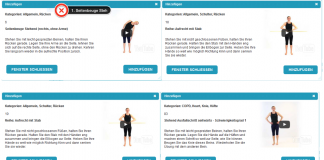
Implementation of a Kinect-based rehab programme with physiotherapists
The first work package during the implementation phase was to create a study design for the project. The aim of this task was to...
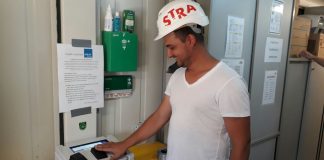
Strabag Health Management
Construction workers are exposed to daily professional and health challenges. Their profession can have a negative impact to the whole body and its health....
Es WaRaD – Drug reminder application for elderly people aged 50...
Description of the project:
Drugs are a constant companion for many older people. In most cases, there are several drugs, which must be taken regularly....
TheraNote – Streamlined Documentation for Physiotherapists in Austria
TheraNote – Evaluating a Revolution in Physiotherapy Documentation
By Bernhard Wirlach, Dario Moratti, Fazia Elfakharany, Lukas Oppenauer, Miriam Kalkgruber
Vision:
By addressing evaluation findings and user feedback,...
Gait analysis and visual training
https://www.youtube.com/watch?v=B_yZoo59p6U&feature=youtu.be
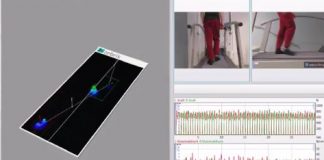
In this video the visual gait training is explained. This training method is used during the rehabilitation of neurological patients in rehabilitation clinic ENNS.
Low cost devices to measure blood pressure
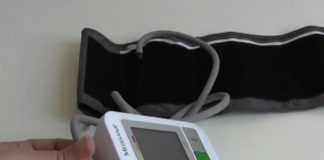
Aim of this video (in German) is to evaluate functionality, usage and reliability of blood pressure devices available in supermarkets and electronic stores. What...
NURPHY – Communication tool between NURSES and PHYSICIANS
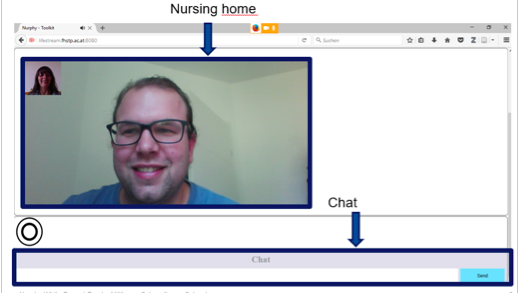
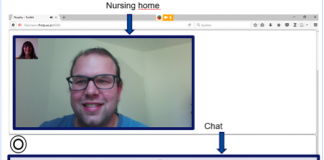
NURPHY is the prototype of a web-based application for real-time video communication between nurses in nursing homes and emergency care units (ECU) to avoid...
ACTivate – a new way of workplace health promotion
https://youtu.be/zcEBUcoOO3k
Background:
The increasing digitalization of work as well as new information and communication technologies enable networking and connectivity around the globe and allow people...
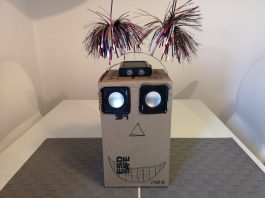
Smart Brain – Intelligent Personal Assistants for F.A.S.Ter Stroke Detection
Every 20 minutes an Austrian citizen suffers from a stroke. Only a third of the affected people fully recover, while approximately 20 percent die....